

Building a hospitalist palliative care consult service
How to Build a Hospitalist Palliative Care Consult Service: Insights from HM17 describes the practical work behind a well-run consult service: clear boundaries, reliable referral routes, capable clinicians and measurable patient benefit. Hospital medicine and palliative care overlap when illness is complex, treatment choices are difficult, or a family needs help navigating uncertainty. The service should function as a clinical partner to the ward team, not a separate pathway that begins only when death is imminent.
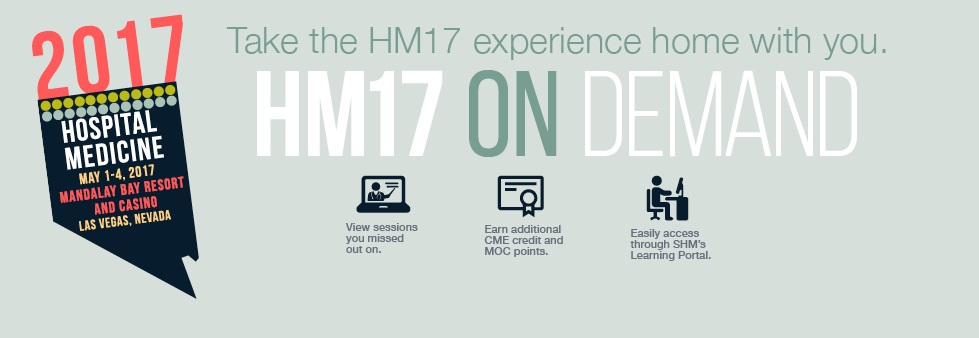
The HM17 conference overview records the setting for these discussions: the Society of Hospital Medicine meeting held from 1 to 4 May 2017 at Mandalay Bay Resort and Casino in Las Vegas. Its programme brought together research, practical education, innovations and continuing medical development for hospitalists and other healthcare professionals. For Australian teams, the most valuable conference material is often the operational example: how a service defines demand, coordinates people and learns from results.
This guide translates those lessons into a service blueprint suited to Australian hospitals. It covers referral, team design, communication, nutrition, measurement and local implementation. It also recognises that hospital medicine may sit within a broader medical directorate here, rather than under a universally used “hospitalist” job title. The principles remain relevant whether the service supports a large metropolitan hospital or a small regional hospital.
Define the clinical model
A palliative care consult should be available for three linked needs: uncontrolled symptoms, complex decisions about treatment and support, and coordinated planning across hospital and home. It can be appropriate alongside disease-directed treatment; active treatment and palliative care are not opposing phases. Early involvement can also help a patient understand options before a crisis forces a hurried choice.
The service needs a written definition of who can request advice, what the consultant will assess and which tasks remain with the treating team. Common components include symptom review, prognosis discussions, family meetings, goals-of-care documentation, discharge planning and links to community teams. Explicit boundaries prevent vague referrals, duplicated work and expectations that a specialist will take over the whole patient.
Offer both an urgent pathway for crisis symptoms or immediate decision support and a planned pathway for comprehensive review. The balance should reflect local staffing, nursing ratios and community capacity. A service that promises every request same-day review without triage will either overextend its team or create long, misleading waiting lists.
Build a reliable referral pathway
Begin with one access point that works on every ward, ideally a dedicated phone line and electronic referral form. The request should identify the ward, treating clinician, urgency, current symptoms, decision requiring support and relevant advance care planning documents. Standard wording reduces the chance that valuable context disappears into a hurried page.
Use simple referral triggers, but allow clinical judgement to override them. Escalating pain or breathlessness, new neurological changes, rapidly rising oxygen needs, conflicting treatment goals and family distress are common reasons to seek help. Screen for symptoms and care needs early rather than waiting for a formal prognosis threshold; palliative expertise does not require a terminal diagnosis.
Assign a named clinician to triage each request, with agreed response intervals for urgent and non-urgent work. Send the consultant, treating team and referring staff a concise update after contact, including whether further review is needed and who owns the next action. Close the referral only after plans are documented and communicated, not simply after a visit.
Assemble a sustainable team
The core team should include a palliative care physician, specialist nurses and a pharmacist, with access to social work, psychology, dietetics, occupational therapy, physiotherapy, chaplaincy or spiritual care, and community palliative services. A patient with advanced disease may need help with medicines, family communication, mobility, equipment, housing, financial support and safe discharge. One consultant cannot carry all of these functions alone.
Clarify the contribution of each professional and the way disciplines share assessment. For example, a nurse may conduct an initial symptom review, the pharmacist may recommend medication changes, and the social worker may investigate caregiver capacity before a family meeting. Protected time and shared documentation are essential for this coordination, especially where staff work across several wards.
Set credentialing and supervision arrangements before recruitment expands. Newly appointed staff need orientation, access to senior clinicians, regular case discussions and time for reflective practice. Measure consultant workload, referrals declined for lack of capacity and staff working beyond agreed hours. A service that appears fully staffed on paper can still be fragile if its expertise is concentrated in one person.
Train for difficult conversations and nutrition
Communication training should cover prognosis, uncertainty, treatment limits, goals of care, family meetings and conflict between patients, relatives and clinicians. Clinicians also need practice asking permission before sensitive discussions and explaining the practical consequences of each option. Role-play is useful because these conversations often involve interrupted assessments, noisy wards and limited time.
Australian patients and families may respond well to plain, direct questions, although directness must be balanced with empathy and cultural safety. Explain terms such as “treatment limits” and “goals of care,” distinguish the treating team’s clinical responsibilities from the patient’s preferences, and involve the authorised substitute decision-maker when capacity is absent. Use qualified interpreters rather than relatives or accompanying children. Document the discussion, agreed decisions and any unresolved uncertainty.
Nutrition assessment belongs within the same early-support model. A related HM17 resource explains the 2017 GLIM criteria for identifying malnutrition in hospitalised adults. Palliative patients may have reduced appetite, treatment-related toxicity, fatigue or difficulty eating. Assessment should establish the cause and likely course, then guide goals that balance oral intake, symptom relief, tube feeding and the burdens of each intervention.
Measure value and improve the service
A balanced measurement plan tracks access, clinical outcomes, experience and service sustainability. Useful measures include referral volume, time to first response, urgent review completion, symptom improvement, family-meeting completion, goals-of-care documentation and satisfaction with communication. Record whether the patient’s preferred place of care was known and whether the discharge plan included adequate support at the destination.
Interpret outcome measures carefully. Fewer emergency transfers or shorter admissions may indicate better planning, but changes can also reflect case mix, weekend staffing or altered referral patterns. Use a common denominator, review unexpected outcomes and avoid presenting correlation as proof of savings. Data should be useful to clinicians during ordinary rounds, not confined to an annual report.
Begin with a limited pilot in one ward or medical unit. Review referrals, response times, unmet needs and staff feedback weekly for the first several months. HM17’s emphasis on research, best practices and professional networking supports this cycle of comparison, peer learning and adjustment. Invite former patients, families and community clinicians to help evaluate whether the pathway feels supportive, understandable and respectful.
Fit the service into Australian care
Public hospitals in Australia are funded and governed by state or territory governments, so palliative care capacity and referral arrangements vary considerably. Medicare supports many specialist and community services, while private hospitals work with private insurers and Medicare rebates. A national model must therefore remain adaptable to local funding, credentialing and discharge arrangements.
Hospital medicine is usually organised through medical directorates or specialist services rather than a single hospitalist role. Senior medical officers, junior doctors, nurse practitioners and advanced practice nurses may all contribute. Australian clinical communication is often concise and practical, so written pathways should be brief enough to use at the bedside and explicit about who carries each responsibility.
Care for Aboriginal and Torres Strait Islander patients requires local relationships, cultural safety and access to Aboriginal health services or liaison officers. Family and community responsibilities may shape how decisions are made, while racism, language differences and distrust of institutions can affect whether a patient feels heard. The service should involve local cultural expertise early, not add it after a conflict has developed.
Regional and remote hospitals face additional constraints, including limited specialist cover, travel distances and reliance on outreach services. Telehealth can support case review and family meetings, but local nurses, general practitioners and Aboriginal health workers remain central to continuity. Service standards should account for these realities rather than applying metropolitan response expectations without adjustment.
| Feature | Consult model | Embedded model | Hybrid model |
|---|---|---|---|
| Team role | Responds to selected referrals | Works continuously with the ward team | Combines daily presence with specialist referrals |
| Referral method | Dedicated request and triage process | Ward team identifies needs directly | Formal referrals supplemented by daily review |
| Main strength | Clear specialist boundaries and flexible deployment | Early identification and strong continuity | Broad access with specialist oversight |
| Main limitation | May be consulted late in a crisis | Requires substantial permanent staffing | Requires careful workload coordination |
| Best fit | Smaller services or limited specialist capacity | Large hospitals with stable staffing | Hospitals building capability while maintaining specialist access |
A successful service is defined by dependable access, competent assessment and shared responsibility for decisions that continue beyond the hospital. It should support the treating clinicians while giving patients and families a clearer understanding of illness, options and the support available after discharge. A collaborative model also allows the service to identify recurring system problems, such as delayed discharge paperwork or poor access to community medicines.
The next concrete step is a one-week service walkthrough that captures every referral, triage time, consultant response and unresolved barrier for a multidisciplinary review.
-
Re-energize and focus your practice with the latest research, best practices and newest innovations in the field that can immediately be applied to improving patient care.
-
Learn from the “best of the best,” including nationally renowned leaders in the field of hospital medicine.
-
Connect and collaborate with a vibrant community of hospital medicine professionals.