
Applying the 2017 GLIM criteria in hospital care
Applied to hospitalists, the 2017 Global Leadership Initiative on Malnutrition (GLIM) criteria bring structure to inpatient nutritional assessment. They separate initial screening from diagnostic confirmation and link severity to a documented care plan.
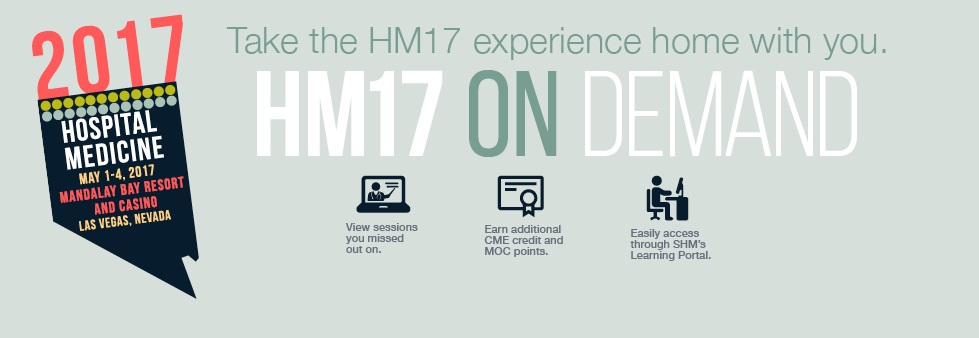
Hospital Medicine 2017, held from 1–4 May at Mandalay Bay Resort and Casino in Las Vegas, brought hospitalists and other clinicians together for research, continuing education and clinical innovation. The 2017 conference programme shows the broader agenda of patient care and professional learning into which nutrition assessment fits.
GLIM does not replace bedside judgement or dietetic expertise. It provides common terminology for questions often answered inconsistently: has the patient lost weight or muscle, is intake or absorption reduced, and how serious is the problem? Standardising those answers makes care easier to compare across wards and evaluate over time.
For Australian hospitals, the challenge is turning this framework into routine work. A diagnosis in a progress note has little value unless the patient receives support, intake is monitored, and responsibility for follow-up is assigned before discharge.
Moving from screening to diagnosis
Screening and diagnosis are not interchangeable. Screening tools identify people who may need fuller assessment; they do not establish malnutrition or its severity. A positive screen should open a clinical pathway rather than end an assessment.
GLIM formalises that pathway in two stages. After a positive screen, clinicians combine phenotypic evidence of weight or muscle loss with etiologic evidence of reduced intake, impaired absorption or disease-related inflammation. The resulting severity category then informs the intensity of treatment and review.
Conference material on quality improvement goals suits this task. A team can choose a specific aim, such as documenting weight and nutrition risk within 24 hours of admission, and test one ward-level change before wider use.
The GLIM diagnostic framework
Australian teams have several screening options. The Malnutrition Screening Tool, developed at Austin Health in Melbourne, combines recent weight loss, BMI and reduced food intake into a quick adult hospital screen. NRS-2002 uses reported intake and disease severity. MUST is widely used in community care.
For a patient who screens positive, the diagnostic assessment checks for phenotypic criteria: weight loss of more than 10% over time or more than 5% within six months, low BMI or reduced muscle mass. It also checks for two categories of etiologic evidence: reduced intake or assimilation, and disease-related inflammation. Findings may come from the history, examination, records, anthropometry, functional measures and relevant investigations.
GLIM grades confirmed malnutrition into stages 1, 2 and 3. Stage 1 requires at least one phenotypic and one etiologic criterion; stage 2 requires two phenotypic criteria and one etiologic criterion; stage 3 requires three or more phenotypic criteria and an etiologic criterion. Higher severity warrants closer monitoring, earlier dietetic involvement and escalated support. First presented in 2017, the framework should be implemented using current local and national guidance.
Interpreting weight and muscle loss
Weight loss is useful only when its cause and timeframe are clear. Patients may recall loss more readily than a previous weight, while fluid shifts in heart failure, kidney disease or oedema can obscure change. Documenting percentage loss, usual weight, dry weight where relevant, and the patient’s account provides a more reliable basis for diagnosis.
Low BMI is one route to a phenotypic criterion, not a substitute for assessing muscle. Muscle mass can be assessed through mid-upper-arm or calf circumference, handgrip strength, functional change and, when indicated, imaging. In an older patient with obesity, sarcopenia may be present despite a high BMI. Very low BMI without weight or muscle loss requires another explanation.
The etiologic dimension prevents malnutrition from being treated as a nutrition problem alone. Cancer, infection, COPD, heart failure and inflammatory disorders can increase requirements and suppress appetite. Pain, nausea, swallowing difficulty, medication effects and fasting for procedures can reduce intake. Identifying the driver determines whether to focus on symptoms, oral intake, enteral support or treatment of the underlying condition.
Embedding GLIM in Australian hospital practice
A workable pathway crosses the ward, pharmacy, food service and discharge team. Austin Health shows the value of a familiar screening instrument, but a form or electronic prompt is not enough. Diagnostic review, referral routes and reassessment triggers must sit within one clinical workflow.
NSW Health’s electronic assessment tools provide a useful model for structured documentation in Sydney’s public hospitals. Nutrition questions can be embedded at admission, followed by alerts for weight change, poor intake or swallowing concerns. Local policy should specify who reviews the information, when escalation occurs and how results reach medical and dietetic teams.
Food services in Australian hospitals often manage standard menus, texture-modified choices and mid-meal snacks, but the market includes both public and private operators. Agreements should define who prepares therapeutic meals, who identifies patients needing extra energy or protein, and who checks whether prescribed items were delivered. Culturally appropriate food and interpreter support also affect whether plans are workable in Sydney’s diverse hospitals.
Matching nutrition support to severity and cause
Treatment follows both severity and cause. When oral intake is safe and adequate, the usual first steps are a supportive meal environment, symptom management, energy- and protein-enriched choices where appropriate, and oral nutrition support with a review date. Patients with acute kidney injury, fluid restriction, refeeding risk or swallowing impairment need individualised plans rather than generic supplements or protein targets.
When oral intake remains inadequate or cannot be used safely, enteral nutrition may be appropriate after assessing the route, expected duration and clinical goals. Parenteral nutrition is reserved for selected situations in which the gut cannot be used or enteral support is insufficient. Collaboration with dietitians, nurses, pharmacists and speech pathologists supports appropriate initiation and monitoring.
Discharge planning is part of treatment, not an administrative afterthought. In Australia, an eligible person with chronic disease may use a GP Chronic Disease Management Plan to access Medicare-subsidised dietitian services, but it does not replace immediate post-discharge support. The summary should describe weight change, estimated intake, restrictions, nutrition goals, who will review them and when escalation should occur.
Comparing screening and diagnostic tools
These instruments answer distinct questions:
| Instrument | Main purpose | What it contributes | Role in an inpatient pathway |
|---|---|---|---|
| Malnutrition Screening Tool (MST) | Adult hospital screening | BMI, recent weight loss and reduced food intake | Identifies who needs diagnostic assessment |
| NRS-2002 | Nutrition-risk prioritisation | Reported intake and severity of disease | Helps rank bedside and dietetic review |
| MUST | Community and ambulatory risk screening | BMI, weight loss and nutrition-impact questions | Supports continuity; does not classify malnutrition severity |
| GLIM | Diagnosis and severity | Phenotypic and etiologic criteria, graded into three stages | Guides treatment intensity, documentation and reassessment |
MST and NRS-2002 are particularly useful for prioritising inpatient assessment. MUST can support continuity between hospital and community care. GLIM adds diagnosis and severity, although it still depends on accurate clinical measurements and sound reasoning. A positive screen with substantial weight loss, reduced intake and active inflammation may satisfy the diagnostic threshold; a positive screen alone does not.
Documentation should show the screening instrument and result, the evidence supporting each GLIM criterion, the assigned stage, the nutrition plan and the planned reassessment. This makes escalation decisions visible and creates useful data for quality improvement.
Building a reliable local nutrition pathway
Implementation works best when a multidisciplinary team owns the pathway and tests it in a limited clinical setting before wider rollout. A short pilot can measure whether screening occurs within 24 hours, whether positive screens receive diagnostic review, how long dietetic referrals take, and whether weight, intake and follow-up responsibilities are documented.
Useful safeguards include an agreed weight-measurement method, prompts for identifying fluid shifts, and a route for rapid review when intake falls or a patient enters a higher GLIM stage. Education should cover diagnostic reasoning and the local escalation process, using examples from the wards where the pathway will operate.
- Use one adult screening instrument at admission and link every positive result to a diagnostic-review prompt.
- Record current and previous weight, percentage change, relevant BMI and signs of fluid retention before interpreting weight loss.
- Apply consistent prompts for phenotypic and etiologic criteria, including reduced intake, impaired absorption and active inflammation.
- Match oral support, dietitian review and monitoring to severity, diagnosis, swallowing safety and relevant dietary restrictions.
- Include intake goals, texture needs, supplement instructions and monitoring responsibilities in the discharge summary.
- Audit screening completion, assessment timeliness and documented care at agreed intervals, then review results through clinical governance.
The immediate next step is fixed: review the first month of nutrition-screening data at the next hospitalist morbidity and mortality meeting, name the largest documented gap, and assign a responsible clinician and completion date.
-
Re-energize and focus your practice with the latest research, best practices and newest innovations in the field that can immediately be applied to improving patient care.
-
Learn from the “best of the best,” including nationally renowned leaders in the field of hospital medicine.
-
Connect and collaborate with a vibrant community of hospital medicine professionals.