
Improving handoff communication with I-PASS: HM17 training recap
Improving handoff communication with I-PASS was a central focus of the Hospital Medicine 2017 education programme. The session treated handover as a safety-critical clinical task rather than a routine transfer of information. Its practical message was that teams need a common structure to surface risks, avoid omissions and make escalation explicit when a patient’s condition changes or a junior clinician needs support.
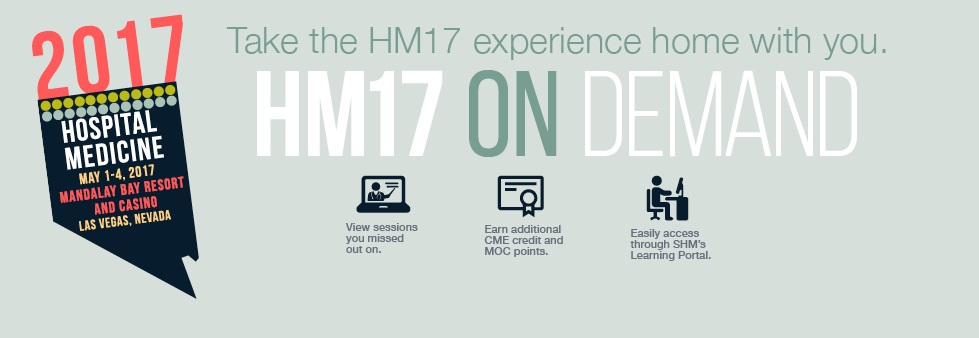
Hospital Medicine 2017 ran from 1–4 May at Mandalay Bay Resort and Casino in Las Vegas, bringing hospitalists and other healthcare professionals together for research, clinical education, continuing medical education credits and networking. For Australian teams, the lessons translate most usefully when adapted to public hospitals, emergency departments, ward rounds and after-hours cover, where patient flow, staffing and communication culture can vary widely.
| Communication method | How information is organised | Main benefit | Common limitation |
|---|---|---|---|
| Unstructured verbal handover | Problems and plans are discussed in the order they come to mind | Quick and conversational | Important risks may be omitted or mentioned too late |
| Structured checklist | Clinical information follows a fixed sequence | Improves consistency and recall | Can become mechanical without clinical judgement |
| I-PASS | Identify, Situation, Background, Assessment, Recommendations | Builds a shared clinical picture and clarifies next steps | Requires practice, disciplined listening and clear escalation |
| Written and verbal exchange | A record is reviewed before teams speak | Supports complex cases and asynchronous communication | Documentation may be outdated or incomplete |
Lessons from the HM17 training session
The HM17 session distinguished clinical content from communication format. A handover can contain the right facts and still fail if they arrive in the wrong order, amid interruptions, or without a clear owner for the next task. I-PASS supplies a repeatable sequence—Identify, Situation, Background, Assessment and Recommendations—so the receiving clinician can build the same mental model as the outgoing clinician.
The HM17 education resources reflect the conference’s broader emphasis on applying evidence at the point of care. In the session, I-PASS was presented as a prompt for real-time verbal exchange, not as paperwork or a replacement for clinical judgement. Participants considered the burden of remembering details under time pressure, the need to prioritise unstable risks and the importance of stating who will do what next.
Why structure matters in Australian hospitals
In a busy metropolitan emergency department in Melbourne or Sydney, an incoming team may receive a telephone handover from a tired night registrar. The same patient may then move between the emergency department, an acute medical unit and a surgical ward during one shift. Each transfer creates risk when observations, pending results or follow-up tasks survive only in someone’s memory, particularly when bed movements and ward rounds overlap.
Structure helps across different locations and team sizes. In rural and remote services, clinicians may hand over patients they will never see again before transfer to a regional hospital or retrieval team. After-hours cover adds another layer: the outgoing junior doctor may need to reach a consultant who is covering several hospitals, while the receiving nurse requires immediate information about observations, allergies, medications and escalation thresholds. A predictable handover reduces dependence on informal workplace habits.
Turning the I-PASS sequence into usable language
Identify and Situation establish who is speaking, who is receiving the handover and why the patient needs attention now. The opening should confirm the patient using approved identifiers, then state the presenting problem, current clinical state and any immediate concern. “Sick and waiting for transfer” is too vague; “ deteriorating with low blood pressure while awaiting review for possible sepsis” gives the receiving team a clear priority.
Background covers the relevant history, including admissions, diagnoses, allergies, medications, recent operations and baseline physiological status. Assessment explains what has changed, which findings have been checked and how the patient responded to treatment. Recommendations must be specific: name the task, the person responsible and the timeframe. “Continue the antibiotics” is incomplete when a medication is due at a particular time or a repeat assessment needs to occur before discharge.
I-PASS also works best when teams use plain clinical language. Australian hospital conversations may feature colleagues with different accents or professional backgrounds, while medication names and numbers can be misheard. Closed-loop communication, such as reading back a medication dose or confirming a pending result, is particularly valuable when the clinical stakes are high.
Protecting patient identity and cultural safety
Australian teams are culturally and linguistically diverse, so a handover must distinguish language differences from assumptions about competence or reliability. Names, accents and medication pronunciations can be misheard on a noisy ward or over a poor telephone connection. Where accuracy is uncertain, the outgoing clinician should state the spelling, repeat key clinical terms and use read-back or teach-back to confirm understanding rather than relying on nods.
For Aboriginal and Torres Strait Islander patients, cultural safety can depend on communicating the patient’s preferences, family relationships and community responsibilities accurately. Some patients wish relatives or approved community members to participate in decisions, while others prefer to speak privately with clinicians first. Handover should record those preferences without stereotyping. Professional interpreters should be used when language support is required, especially for consent, discharge planning and discussions of alcohol use, where family members should not automatically be asked to interpret.
Managing complex illness and rural transfer
Rural transfer introduces distance, delayed investigations and limited access to senior specialties. A patient in regional New South Wales, central Queensland or the Northern Territory may wait for transport, pathology or a telehealth review while several teams share responsibility. The handover must identify the treating service, referring clinician, retrieval arrangements, observations, escalation thresholds and what has already been attempted. “For review” is inadequate without the clinical question and a named next decision-maker.
A related conference review of inpatient liver disease management illustrates how complex presentations test handover skills. Alcohol-associated liver disease can involve withdrawal risk, delirium, infection, ascites, poor nutrition and medication sensitivity, yet a list of diagnoses may conceal the patient’s current trajectory. The receiving team needs the relevant trends and outstanding decisions, not merely the fact that the patient has liver disease.
For these patients, background should include baseline function, substance use, withdrawal plans, important investigations and specialist advice. Assessment should distinguish observed findings from interpretation and note response to diuretics, antibiotics or other treatment. Recommendations should cover symptom monitoring, medication holds or adjustments, and the professional responsible for each review.
Measuring whether handovers improve
Teams can improve handover by auditing a small number of transfers each week. Useful measures include missed medications, omitted allergies, unclear escalation plans, repeated information, interruptions and whether the receiving clinician could identify the next task and its owner. Time spent handing over should be considered alongside safety, since a longer exchange may prevent a larger incident. Patient and family feedback can also reveal information that clinicians assumed was understood.
Measurement should be used for learning rather than blame. In Australian hospitals, electronic records and bed-management systems add detail, but neither replaces a reliable verbal exchange during a clinical transition. Short team discussions, simulation during orientation and feedback from senior medical staff, nursing educators and after-hours clinicians can identify local problems. A standard structure is most likely to survive busy periods when it is short, rehearsed and supported by the ward’s escalation processes.
Embedding a reliable handover routine
A dependable handover needs protected time, a consistent location and permission to defer non-urgent interruptions. The outgoing and incoming clinicians should confirm the patient’s identity, use the I-PASS sequence and invite questions before ending. Nurses contribute observations, family concerns and practical changes in condition, while the incoming clinician repeats the priorities and pending actions. For deterioration, the team should use the local emergency escalation pathway alongside I-PASS rather than waiting for every handover category to be completed.
Teams can start with one ward or transition point, rehearse the sequence in short simulations and review a small sample of handovers each month. The structure should then expand to medical and nursing shift changes, transfers between units and communication with after-hours teams. The practical takeaway is to combine a five-part I-PASS prompt, explicit ownership of the next task and a brief safety audit, turning handover from a memory test into a dependable clinical process.
-
Re-energize and focus your practice with the latest research, best practices and newest innovations in the field that can immediately be applied to improving patient care.
-
Learn from the “best of the best,” including nationally renowned leaders in the field of hospital medicine.
-
Connect and collaborate with a vibrant community of hospital medicine professionals.