

How to Set Up a Hospitalist-Led Observation Unit
A hospitalist-led observation unit provides short, structured care for patients who may need more than an emergency department assessment but less than an inpatient admission. The model can improve flow, reduce avoidable overnight stays and give clinicians a clearer way to manage diagnostic uncertainty. Its success depends on disciplined selection, rapid reassessment and reliable communication.
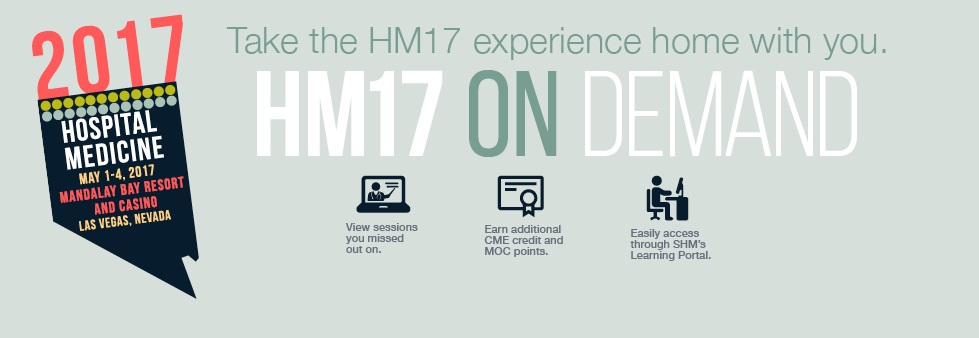
Lessons discussed through the Society of Hospital Medicine’s 2017 conference remain useful for Australian services. The event, held at Mandalay Bay in Las Vegas from 1–4 May, focused on hospital medicine research, patient care, innovation, best practice and continuing medical education. The conference archive provides useful context for the period’s emphasis on hospitalist practice and systems improvement.
Australia needs a locally adapted version rather than a direct import from a United States hospital. Emergency departments in Sydney, Melbourne and Brisbane face access block, while smaller regional hospitals may have limited specialist cover and long transfer distances. A workable unit must fit local referral pathways, Medicare arrangements, Aboriginal and Torres Strait Islander health priorities, rural workforce realities and state-based clinical governance.
Define The Unit’s Role
An observation unit sits between emergency care and traditional inpatient admission. Patients receive protocol-led assessment, treatment and monitoring for a defined period, often between several hours and 24 hours. Typical cases include chest pain requiring serial testing, mild asthma or cellulitis, syncope evaluation, dehydration, uncomplicated infection and selected abdominal pain.
The unit should not become a holding area for patients awaiting a medical bed. That distinction needs to appear in the business case, admission policy and daily management practices. If a patient is likely to need prolonged treatment, complex discharge planning or extensive nursing support, an inpatient ward may be safer.
A hospitalist should own the clinical pathway from admission to disposition. This role involves reviewing referrals, setting a diagnostic plan, coordinating allied health input and making the final decision about discharge, admission or transfer. In an Australian setting, the model may involve a specialist physician, senior medical officer or general physician, depending on the hospital’s size and credentialling arrangements.
Build A Reliable Patient Selection Model
Good selection is the central safety mechanism. The service should specify inclusion criteria, exclusion criteria, maximum observation time and escalation triggers. A patient may be suitable when the likely care pathway is predictable, vital signs are stable and the required investigations or treatment can be completed within the unit’s operating window.
Exclusion criteria commonly include haemodynamic instability, escalating oxygen needs, uncontrolled pain, severe delirium, active gastrointestinal bleeding and a clear need for an inpatient procedure. Social factors also matter. A person who is medically stable but has no safe accommodation, no carer or no access to medication may need admission or a social work review rather than rapid discharge.
Protocols should support judgement instead of replacing it. Chest pain pathways, venous thromboembolism assessment, transient neurological symptoms and infection management can reduce variation, but every protocol needs a senior clinician responsible for exceptions. Local data should be used to revise criteria when readmissions, adverse events or long stays reveal a gap.
Design Staffing And Daily Operations
A practical staffing model usually combines a dedicated hospitalist with experienced nursing staff, access to pharmacy and allied health, and defined links to emergency medicine and inpatient specialties. The hospitalist needs protected time for observation work; adding the role to an already overloaded ward roster can turn the unit into an administrative label without clinical benefit.
Operating hours should match demand. Some hospitals begin with daytime coverage and extend into evenings as volume grows. In a regional Victorian or Queensland service, overnight specialist availability may rely on telehealth, an on-call physician and clear retrieval arrangements. Those arrangements should be tested before the first patient arrives.
The unit needs a visible patient-flow board, standardised handover and a morning review that identifies every patient’s expected outcome. Nurses should be empowered to flag deterioration, missed tests and discharge barriers. Pharmacy reconciliation, interpreter access and early allied health review are especially important for older people and patients with multiple medicines.
Measure Flow, Safety And Patient Experience
A new observation service should launch with a small measurement set. The purpose is to understand whether it is improving care, not simply filling beds. Baseline emergency department data should be collected before opening so that changes in length of stay and admission patterns can be interpreted fairly.
Useful measures include:
| Measure | What It Shows | Practical Use |
|---|---|---|
| Observation length of stay | Whether care is completed within the planned window | Identify delayed tests and staffing gaps |
| Conversion to inpatient admission | Whether selection criteria are appropriate | Review patients who require extended care |
| Seven-day and 30-day representation | Possible missed diagnoses or unsafe discharge | Target clinical audit |
| Unplanned escalation | Deterioration or inadequate monitoring | Test staffing and observation protocols |
| Patient-reported experience | Clarity, comfort and communication | Improve discharge and bedside processes |
| Discharge before target time | Efficiency of final review and coordination | Reduce late-day congestion |
Data should be stratified by age, diagnosis, Aboriginal and Torres Strait Islander status where appropriate and rural or metropolitan location. Measurement must protect privacy and comply with local health service policy. A high admission rate is not automatically a failure if the unit is receiving appropriately complex patients; the result needs clinical review.
Patient experience deserves equal attention. People often find observation confusing because they are neither emergency patients nor admitted ward patients. Written information should explain the purpose of the unit, expected tests, visiting arrangements, medication changes and who to contact after discharge.
Create Safe Escalation And Handover
Every patient should have a documented contingency plan. It should state what deterioration looks like, who must be contacted, what tests are pending and when the patient must leave the observation pathway. Escalation should lead to a specific action, such as transfer to an inpatient team, urgent review by intensive care or retrieval consultation.
The conference’s emphasis on systems thinking is relevant here. A review of rapid response patterns illustrates why repeated emergency calls may reflect underlying problems in recognition, communication or staffing. An observation unit can use the same approach by reviewing near misses and deterioration events for recurring causes.
Handover at every transition should include diagnosis under consideration, treatment completed, outstanding results, functional status and the agreed destination. Results returning after discharge require ownership. The unit should nominate who will review them, contact the patient and update the general practitioner.
Prepare Discharge For Australian Care
Discharge begins at admission. Clinicians should establish whether the patient has a regular GP, can obtain medicines, understands warning signs and has transport home. In Australia, referral back to a general practice clinic may be difficult after hours, particularly in outer metropolitan areas and remote communities, so the plan should include realistic follow-up options.
Medication reconciliation needs particular care when hospital prescriptions, dose administration aids and community pharmacy arrangements differ. The patient’s GP, residential aged-care facility or Aboriginal Community Controlled Health Service may need timely information. Electronic communication can help, but staff should confirm that the receiving service actually has access to the relevant record rather than assuming that a digital system has solved the handover.
Discharge documentation should state the working diagnosis, investigations completed, pending results, medication changes, follow-up timeframe and reasons to return. For patients travelling long distances in Western Australia, the Northern Territory or Far North Queensland, a plan based on same-day review may be impractical. Telephone follow-up, local nursing support or transfer to a closer facility may be safer.
Govern The Service And Train The Team
Governance should cover credentialling, clinical ownership, consent, privacy, incident reporting and review of unexpected outcomes. The unit’s policy should be approved through the hospital’s usual medical, nursing and quality structures. Local consumer representatives can identify practical problems that clinicians miss, such as confusing signage or inadequate access for family members.
Online material also needs careful curation. A conference website may contain valuable educational resources alongside unrelated commercial pages, so staff should verify authorship, clinical relevance and current evidence before using archived content. For example, a page about commercial gaming content should not be mistaken for a medical education resource simply because it appears within the same web domain.
Training should include simulated deterioration, discharge conversations, culturally safe care and use of the electronic medical record. New staff need to know who can admit to the unit, when to call the hospitalist and how to document a patient who exceeds the observation time limit.
Operational Checks Before Opening
- Confirm admission and exclusion criteria with emergency and inpatient teams
- Test pathology, imaging, pharmacy and specialist response times
- Assign ownership for pending results and post-discharge contact
- Run a simulation involving deterioration and urgent bed transfer
Information Patients Should Receive
- The expected length and purpose of observation
- The tests or treatments still required
- Warning signs and the correct service to contact
- Medication, transport and follow-up arrangements
Start Small And Refine The Model
A staged launch is safer than opening at full capacity. Begin with a limited number of beds, a narrow group of clinical pathways and daytime hospitalist coverage. Review cases daily during the first weeks, paying attention to delayed investigations, inappropriate referrals and patients who required unexpected escalation.
The unit should have a regular multidisciplinary meeting involving emergency medicine, nursing, inpatient teams, pharmacy, allied health, bed management and primary care representatives. This group can distinguish isolated errors from structural problems, such as insufficient evening imaging or a lack of community follow-up.
Expansion should follow evidence. If the service consistently discharges patients safely within the planned timeframe, additional pathways may be considered. If stays are long or admission rates are high, the answer may be better staffing, revised criteria or improved access to diagnostics rather than more beds.
For an Australian hospital, the practical test is simple: can the unit deliver prompt senior review, reliable monitoring and a safe destination for every patient it accepts? A carefully governed pilot, measured against local demand and community resources, gives the hospital the strongest foundation for a hospitalist-led observation service.
-
Re-energize and focus your practice with the latest research, best practices and newest innovations in the field that can immediately be applied to improving patient care.
-
Learn from the “best of the best,” including nationally renowned leaders in the field of hospital medicine.
-
Connect and collaborate with a vibrant community of hospital medicine professionals.