
Hospitalist Workload And Burnout Lessons From 2017
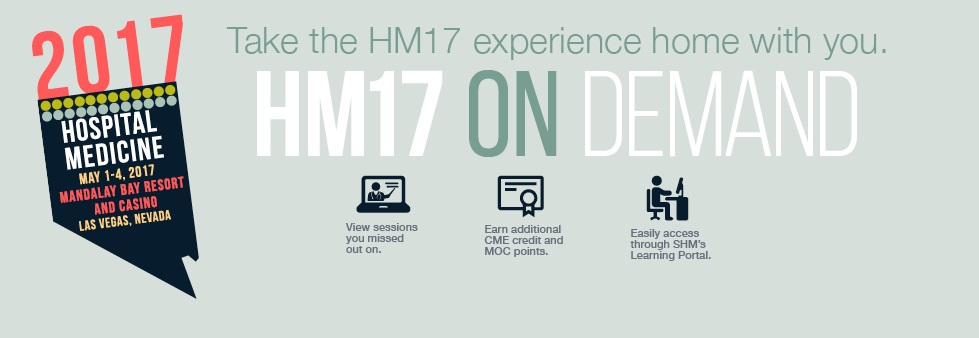
The 2017 Society of Hospital Medicine conference examined a problem that has since become central to healthcare management: how rising clinical demand affects hospitalist performance, wellbeing and patient safety. Held from 1–4 May at Mandalay Bay Resort and Casino in Las Vegas, the event brought together hospitalists, researchers, educators and other healthcare professionals to discuss evidence, practice improvement and innovation.
The conference setting may feel distant to Australian clinicians, yet the underlying pressures are familiar. Hospital medical teams manage complex patients, frequent admissions, early discharges, deteriorating patients and constant communication with families and consultants. When staffing levels fail to match that workload, ordinary busy periods can become unsafe and exhausting.
The conference materials covered research presentations, clinical education, networking and continuing medical education. Its conference resources remain useful for understanding how hospital medicine was addressing fatigue, workforce design and quality improvement during a period when burnout was becoming harder to dismiss as an individual weakness.
For Australian readers, the discussion also connects with everyday realities: public hospitals balancing emergency department demand, private facilities managing throughput targets, and rural services relying on visiting specialists or locums. A doctor saying they are “flat out” may be describing a temporary rush, or a permanent operating model that leaves too little time for safe clinical judgement.
What The 2017 Research Put Under Scrutiny
Research shared at Hospital Medicine 2017 treated workload as more than a count of patients. Patient complexity, admissions arriving late in the day, interruptions, documentation, handovers and the number of competing tasks all influence how demanding a shift becomes. Two clinicians with the same patient census may experience very different levels of cognitive and emotional strain.
This distinction matters because raw staffing ratios can conceal risk. A ward with fewer patients may still be difficult when several people require rapid assessment, a family meeting, medication reconciliation and coordination with multiple specialties. Hospitalist research increasingly focused on workload intensity, workflow fragmentation and the time required to complete essential work properly.
The conference also reflected a shift towards measuring the working environment. Surveys of emotional exhaustion, depersonalisation and professional fulfilment were being paired with operational data such as length of stay, readmissions, sick leave and patient experience. That approach helped move the conversation away from vague complaints about morale and towards measurable system conditions.
How Workload Became A Patient Safety Issue
Excessive workload can affect safety through several pathways. Fatigue reduces attention, interruptions make omissions more likely, and rushed handovers can leave important details unclear. A hospitalist who finishes clinical reviews late may also complete discharge summaries or medication orders under time pressure, increasing the chance of avoidable errors.
Burnout adds another layer. Emotional exhaustion can weaken communication and make difficult encounters feel burdensome. A clinician who has spent weeks working beyond capacity may become less patient with families, less willing to challenge an unsafe plan or less able to notice subtle changes in a patient’s condition.
The research discussed in 2017 supported a systems view: improving resilience is useful, but resilience training cannot compensate for chronic understaffing or poorly designed workflows. Breaks, manageable rosters and effective team communication are safety interventions, not lifestyle benefits added after the “real” work is done.
Burnout Signals In Hospitalist Practice
Burnout is often visible before a clinician formally reports it. Warning signs include emotional detachment, irritability, reduced empathy, sleep disruption, frequent overtime and a sense that every shift is an emergency. Some doctors continue performing at a high level while privately feeling depleted, so absence of complaints should not be mistaken for wellbeing.
For hospitalists, the pattern can be intensified by repeated transitions. The day may begin with an overnight handover, move through new admissions and deteriorating patients, and finish with discharge planning, calls to general practitioners and unresolved administrative tasks. Constant switching between urgent and routine work drains attention even when no single event seems extraordinary.
The conference discussion also highlighted the importance of professional meaning. Clinicians are more likely to tolerate demanding periods when they can see that their work is valued, their decisions are supported and their teams have enough capacity to deliver good care. When effort produces little improvement because the system is overloaded, frustration can become cynicism.
Why Australian Hospitals Read This Differently
Australia has its own workforce and funding pressures. Large public hospitals in Sydney, Melbourne, Brisbane and Perth often manage high emergency department volumes while responding to state health department targets, bed shortages and delayed transfers. Hospital medical teams may also coordinate with general practitioners, community services and Aboriginal health providers across wide geographic areas.
The Australian hospitalist role is less standardised than the North American model discussed at the 2017 conference. Some services use general physicians, medical registrars, career medical officers or multidisciplinary ward teams rather than a dedicated hospitalist workforce. Private hospitals may have different arrangements again, with visiting specialists retaining responsibility for admitted patients.
Rural and remote services face distinctive pressures. A clinician in regional Queensland, Western Australia or the Northern Territory may deal with limited onsite specialty support, retrieval decisions and long-distance transfers. Locum dependence can help fill rosters but may also weaken continuity if orientation, handover and team integration are inadequate.
Language and expectations matter too. Australian staff may describe unsafe capacity as “chronic bed block”, call a difficult shift “a shocker”, or quietly accept unpaid finishing time as part of the job. These expressions can normalise a workload that should instead trigger review. Medicare arrangements, state-based employment systems and local industrial agreements also shape how staffing changes can be implemented.
Turning Conference Evidence Into Local Action
The most useful lesson from the 2017 research is the value of combining workforce data with clinical context. Hospitals should examine patient numbers alongside acuity, admission timing, after-hours work, interruptions, discharge complexity and time spent covering absent colleagues. A monthly average can hide the Friday afternoon surge or the recurring overnight gap.
Measurement should be accompanied by listening. Short pulse surveys, structured debriefs and confidential interviews can identify where work is being lost or duplicated. Staff may point to predictable problems: pathology results arriving after rounds, multiple electronic systems, unclear escalation pathways or consultants being difficult to contact.
Leaders should also be cautious with attractive but weak solutions. A wellbeing app or one-off mindfulness session may have value, yet it will not resolve excessive on-call frequency or a ward clerk shortage. Healthcare commentary can vary greatly in quality, so claims should be checked against credible evidence, much as readers might scrutinise a healthcare review before accepting its conclusions.
Practical Priorities For Hospital Leaders
A sustainable response needs operational changes that clinicians can feel during an ordinary shift. The following priorities translate the conference themes into actions relevant to Australian hospitals:
- Measure workload by complexity, interruptions and time pressure, not patient count alone.
- Protect handover, meal breaks and end-of-shift completion time as essential clinical work.
- Review admission, discharge and after-hours patterns before changing roster numbers.
- Give junior doctors and career medical officers clear escalation routes and senior backup.
- Include nurses, pharmacists, allied health staff and administrative teams in workflow redesign.
- Monitor burnout indicators alongside safety events, sick leave, turnover and patient experience.
- Test small changes on one ward, publish the results and adjust them with staff feedback.
These measures work best when accountability is visible. A hospital may nominate an executive sponsor, give a clinical team authority to change its workflow and report progress at governance meetings. If data show that a new arrangement simply moves pressure from doctors to nurses or from weekdays to weekends, the intervention needs redesign rather than a celebratory announcement.
What Sustainable Hospital Medicine Looks Like
The 2017 conference captured a period when hospital medicine was becoming more research-driven and more attentive to the relationship between workforce conditions and patient outcomes. Its relevance has grown as hospitals face ageing populations, multimorbidity, rising documentation requirements and expectations for rapid access to care.
Sustainable practice does not mean removing every demanding shift. Hospital work will always include emergencies, grief and uncertainty. It means ensuring that intense work is supported by adequate staffing, reliable systems, respectful leadership and enough recovery between periods of pressure. It also means treating staff retention as a quality and safety issue rather than merely a recruitment problem.
For Australian services, the practical takeaway is clear: assess workload where care is delivered, identify the recurring sources of friction, and redesign rosters and workflows before exhaustion becomes accepted as normal.
-
Re-energize and focus your practice with the latest research, best practices and newest innovations in the field that can immediately be applied to improving patient care.
-
Learn from the “best of the best,” including nationally renowned leaders in the field of hospital medicine.
-
Connect and collaborate with a vibrant community of hospital medicine professionals.